A record number of new faculty will join the iSchool this fall: 13 across ranks and disciplines.
"We are excited to grow and strengthen our programs even further," said Interim Dean Emily Knox. "This talented and unprecedentedly large group of new scholars helps to further ensure a bright future for the iSchool's teaching and research."
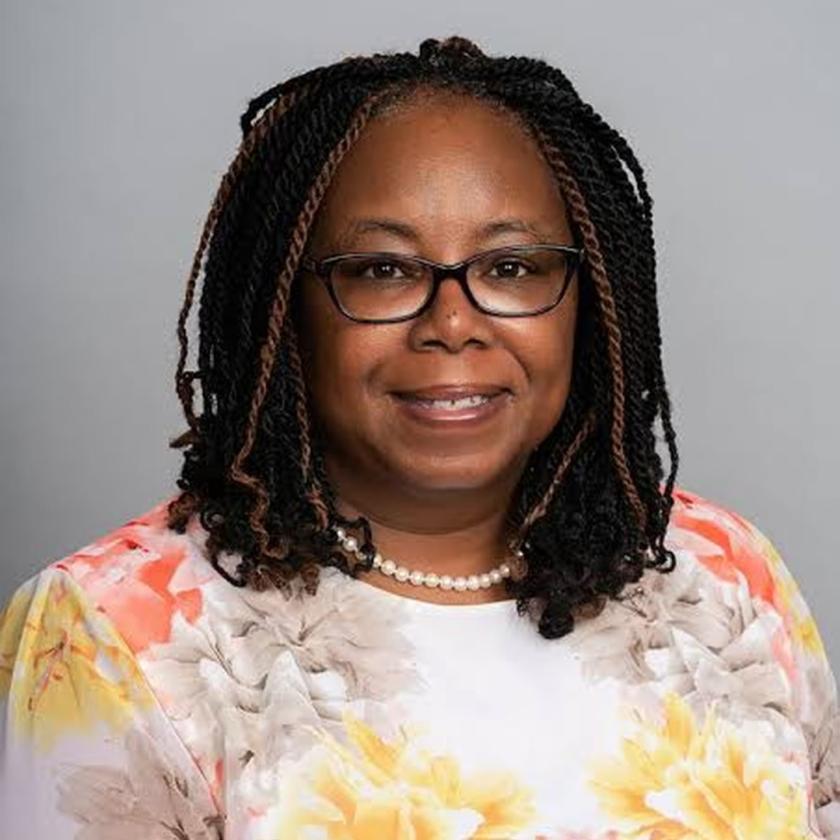
LaVerne Gray, Associate Professor
Gray's research explores how information exists, circulates, and endures within Black communities. A native of Chicago, her commitment to community, service, and collective knowledge began long before her academic career. After graduating from Wilberforce University, she served as a Peace Corps volunteer in West Africa before entering librarianship, where she spent eight years as an academic librarian. Her experiences in libraries deepened her curiosity about the ways people seek, preserve, and share knowledge, ultimately leading her to pursue a PhD in information sciences at the University of Tennessee as an American Library Association Spectrum Doctoral Fellow. She comes to Illinois from Syracuse University, where she was an assistant professor in the School of Information Studies.
Her work makes the case for a vision of information science that recognizes Black communities as producers, stewards, and interpreters of enduring knowledge rather than simply subjects of documentation.
Gray received the Early Career Research Development Award from the Institute of Museum and Library Services for Uncovering Black Lives, a project examining the relationships and community structures that support African American genealogists. She is a fellow with the Black Metropolis Research Consortium, and in 2027, Gray will join the Newberry Library in Chicago as the Richard H. Brown/William Lloyd Barber Fellow.
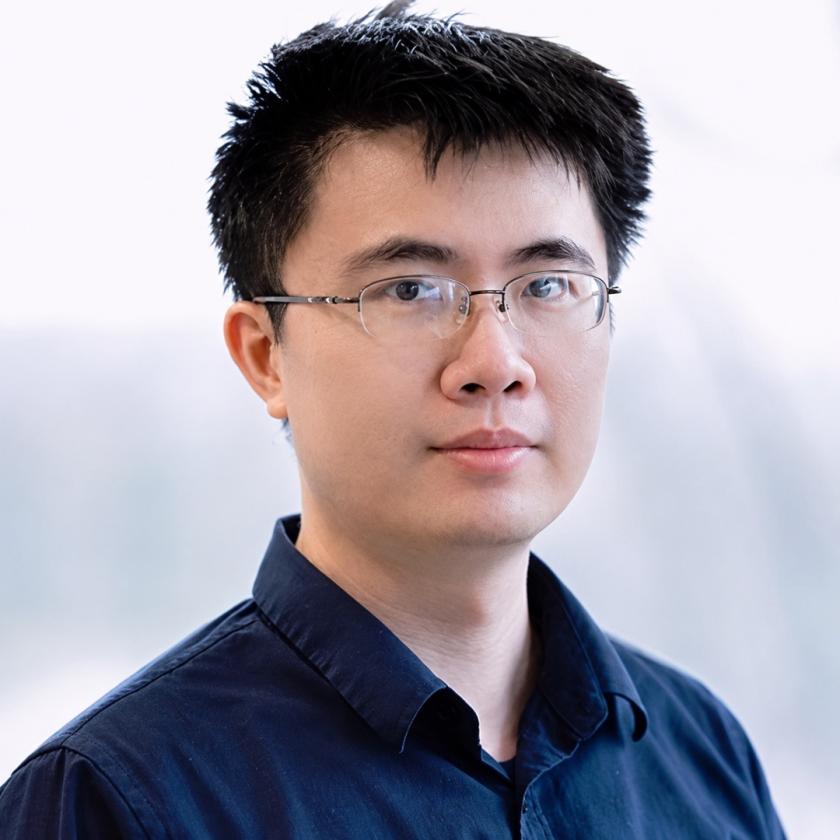
Hao Wang, Associate Professor
Wang's research focuses on statistical machine learning, Bayesian deep learning, and trustworthy AI, with applications in large language models, computer vision, healthcare, recommender systems, and time series analysis. His work on Bayesian deep learning for recommender systems and personalized modeling has inspired thousands of follow-up studies, becoming the most cited paper from the 2015 ACM SIGKDD Conference on Knowledge Discovery and Data Mining and receiving the 2025 ACM SIGKDD Test of Time Award. His research has also been recognized with the NSF CAREER Award, an NIH R01 Award, the Amazon Faculty Research Award, the Microsoft AI & Society Fellowship, the Microsoft Fellowship in Asia, and the Baidu Research Fellowship.
Before joining Illinois, Wang was an assistant professor in the Department of Computer Science at Rutgers University and a postdoctoral associate at the Computer Science and Artificial Intelligence Laboratory (CSAIL) at MIT. He received his PhD in computer science from the Hong Kong University of Science and Technology, where he was the sole recipient of the School of Engineering PhD Research Excellence Award.

Marianne Aubin Le Quéré, Assistant Professor
Aubin Le Quéré's work traces how AI and other emerging technologies impact online news and civic information ecosystems. Her aim is to help keep the public informed and civically engaged in an accessible, transparent, and equitable way. Her research intersects human-computer interaction, which grounds her work in the lived experiences of users, and computational social science and communication, which provide theoretical foundations for population-level questions about news and information consumption. Currently, she studies how AI mediates civic information consumption and its effects on the credibility and discoverability of news, how to measure civic outcomes and informedness more meaningfully than traditional exposure metrics permit, and how to design interventions that foster healthy, high agency engagement with the news. At the University of Illinois, she will be launching the "Future of Information Lab" (FOiL).
After receiving her bachelor's degree from Brown University in 2017, she spent two years working as a product manager at Microsoft while pursuing classes at the University of Washington's Human-Centered Design and Engineering program. She received her doctorate in information science from Cornell University in 2025 and completed a postdoctoral research fellowship at the Princeton Center for Information Technology Policy.
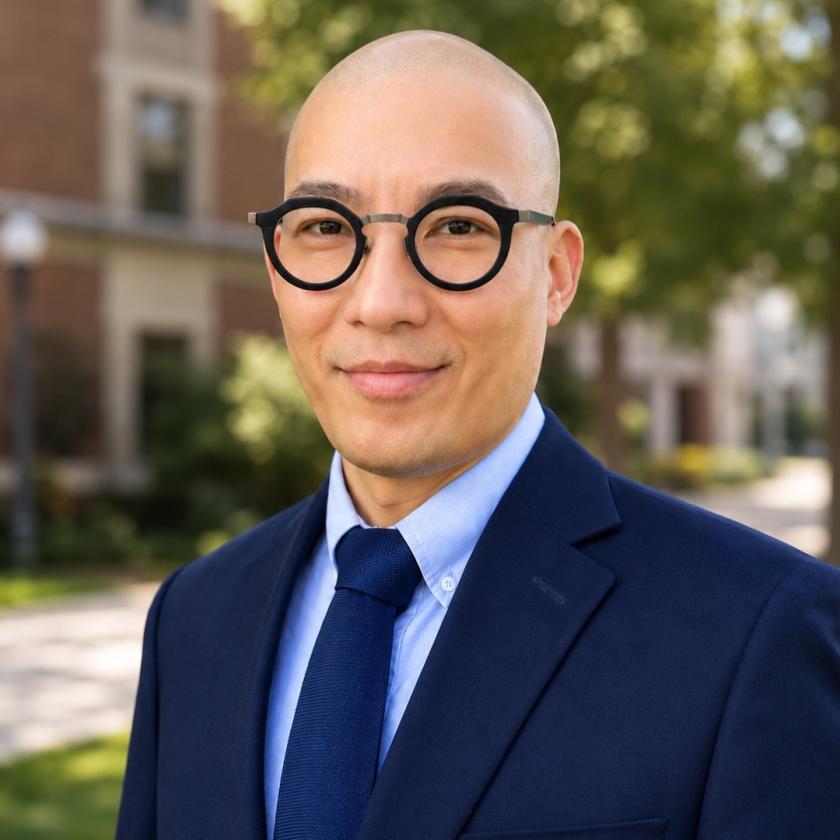
Min-Seok Choi, Assistant Professor
Throughout his career, Choi has been interested in how young children and families learn together across homes, libraries, museums, and other community spaces, particularly in multilingual and culturally diverse communities.
His research examines how literacy is practiced and negotiated through everyday interactions rather than understood as a set of isolated skills. Using ethnographic and discourse analytic methods, he studies how children, families, educators, and librarians collaboratively make meaning and navigate language, culture, and identity in both formal and informal learning environments. His current projects focus on multilingual family literacy, early childhood literacy, and the ways libraries and other community institutions can foster culturally sustaining and relational learning experiences.
Before joining Illinois, his teaching and research focused on multilingual family literacy and its implications for equitable educational practices. At Illinois, he plans to extend this work by exploring how libraries can strengthen partnerships with families and communities while creating welcoming spaces where children’s diverse languages, cultures, and experiences are recognized as strengths.
He received his PhD in Literacy Education from The Ohio State University.
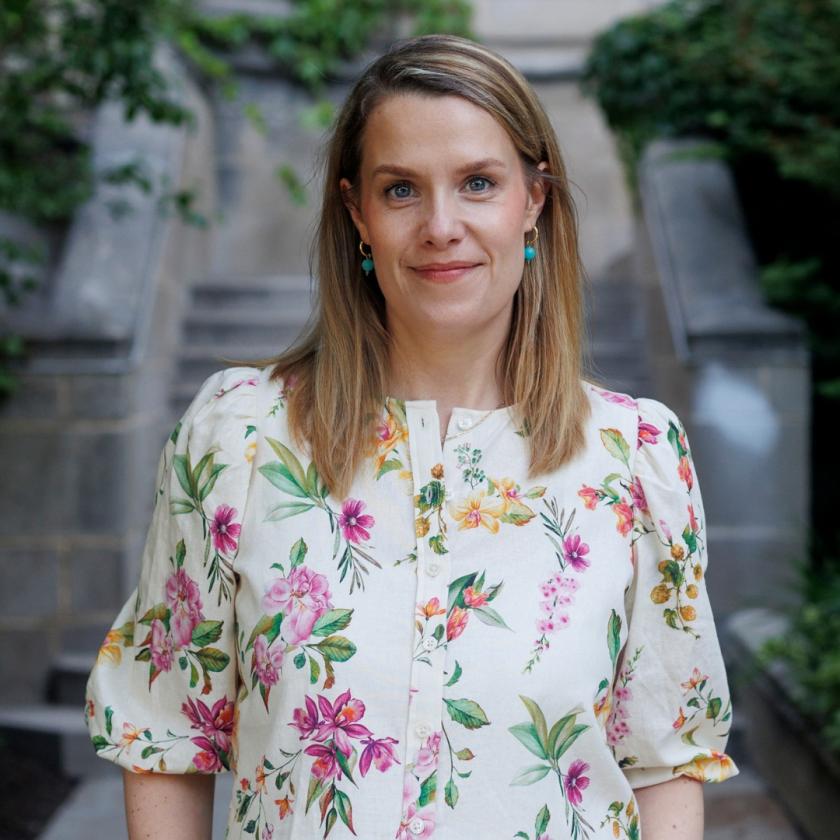
Iris Clever, Assistant Professor
Clever is an interdisciplinary historian of science and medicine. Her work asks how humans become embedded in technologies through scientific data practices and how we use those technologies to make sense of human identity. She is especially interested in the quantification of human bodies in the modern world, and in how historical legacies of human measurement live on in present-day science, medicine, and society.
Her book project, The Afterlives of Skulls (under contract, University of Chicago Press), traces a forgotten history of biometrics. Measuring skulls to study race is often assumed to be an outdated scientific practice; the book project makes visible how it remained at the forefront of twentieth-century science and technology. Clever reveals how historical skull collections, biometric datasets, and statistical tools still shape how we understand human identity.
Her recent publications have traced how old practices of race-making persist in modern forensic software and how antiracist commitments and race science coexisted in twentieth-century human biology.
She holds a BA and an MA in history from Utrecht University and a PhD in history from UCLA.
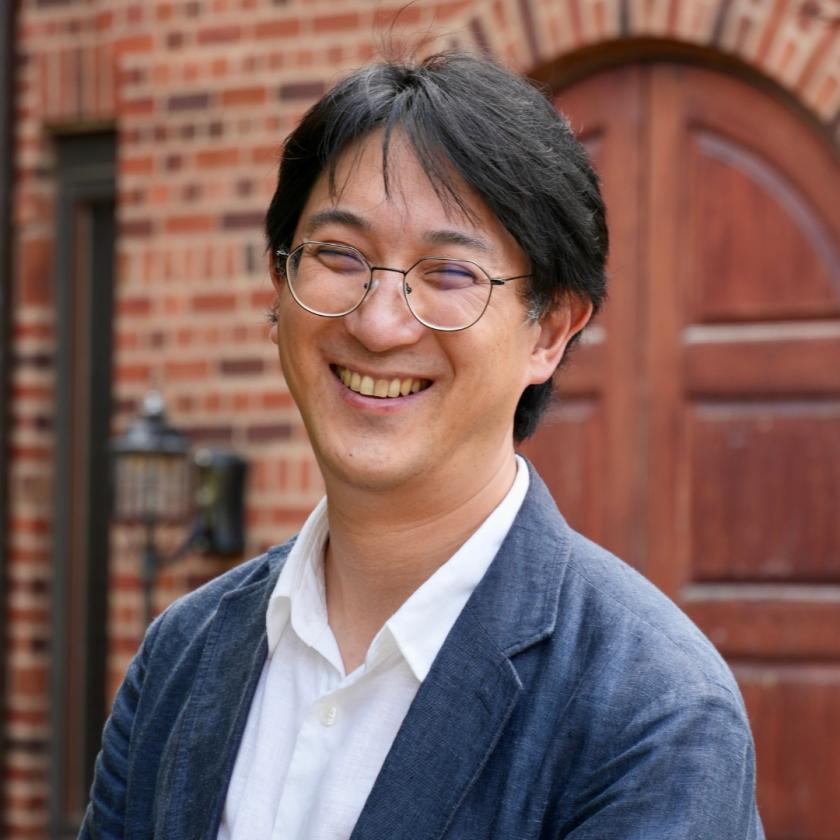
Daniel Liu, Assistant Professor
A historian of the life and physical sciences, Liu studies how scientists visualize and represent microscopic, microbial, and molecular objects. His work explores the history of specialization and organization of the biological disciplines, including the role of words and images in scientific journals, textbooks, and reference manuals in producing what is understood as the life sciences. His current book project explores the history of cell biology’s first century, showing how cell biology, microbial taxonomy, and ideas of "living matter" co-evolved with changing techniques in microscopy from the 19th and into the 20th century. He is also collaborating on a global history of lactose intolerance.
Liu received his PhD in history of science, medicine and technology from the University of Wisconsin–Madison. He first came to Illinois in 2016–18 as an Andrew W. Mellon Postdoctoral Fellow at the Humanities Research Institute, working with Samantha Frost’s Biohumanities initiative. Before joining the iSchool, he was a fellow at the ICI Berlin Institute for Cultural Inquiry, a consultant for Cold Spring Harbor Laboratory’s department of library and archives, visiting postdoctoral fellow at the Max-Planck-Institut für Wissenschaftsgeschichte (MPIWG, Dept. III Schäfer), and a Deutsche Forschungsgemeinschaft (DFG)-sponsored postdoctoral research associate at the Ludwig-Maximilians-Universität München, Lehrstuhl für Wissenschaftsgeschichte.

Vishal Sharma, Assistant Professor
Sharma will lead the ROOT (Reworlding Our Orientations to Technology) Lab in the iSchool, which will focus on how emerging technologies shape and are shaped by the social, political, cultural, and ecological worlds around them.
Trained in computer science, information science, and human-computer interaction, he examines how people interact with emerging technologies amid climate vulnerability, labor precarity, and structural inequality, and how such technologies can be (re)designed to nurture socio-ecologically just and sustainable futures for all, including more than human life forms. His work conceptualizes post-growth informatics as a critical area of inquiry that questions unsustainable and unjust profit-driven technological innovation and reorients it toward sufficiency, care, and collective well-being.
He holds a PhD in human-centered computing from Georgia Tech, an MS in information and computer science from the University of California, Irvine, and a BE in computer science and Engineering from Chitkara University, India. He was a Provost's Postdoctoral Fellow in computer science and engineering at the University of Notre Dame. He also worked as a software engineer at Informatica Inc., developing automated software testing frameworks.
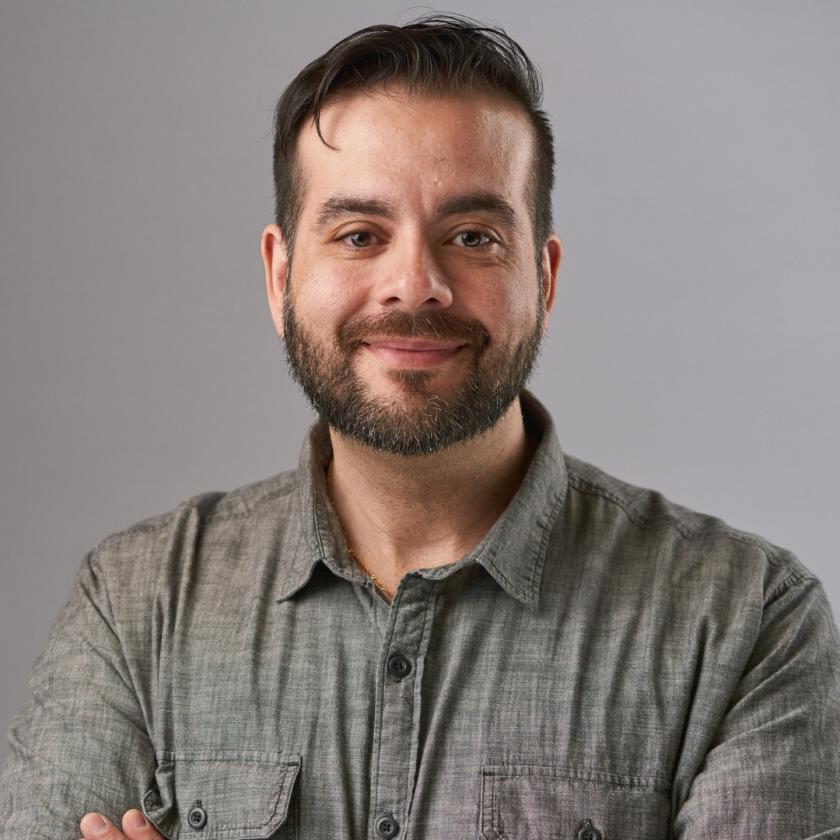
Alex Damarjian, Teaching Associate Professor
A technical artist, educator, and researcher, Damarjian is the program developer for the new MS in game development at the University of Illinois and previously served as a specialized faculty member in Informatics. His work bridges game development, immersive technologies, and interactive media and spans both the video game industry and higher education. He has worked with organizations including Netflix Games, Amazon Game Tech, Nickelodeon, Cartoon Network, and High Voltage Software, while also teaching courses in game design, animation, video production, and digital media. His research focuses on serious games, virtual and augmented reality, human-computer interaction, and the use of interactive technologies to improve education and healthcare, especially to solve real-world problems and make complex concepts more engaging and accessible.
His published research includes the use of advanced augmented reality technologies in the treatment of post-traumatic stress disorder; he continues to explore how game technologies can improve learning, rehabilitation, and patient outcomes.
Damarjian has a BA and MAT from Columbia College Chicago, an MS in computing and digital media from DePaul University, an MFA in game and interactive media design from Savannah College of Art and Design, and a PhD in technology and humanities from Illinois Institute of Technology.
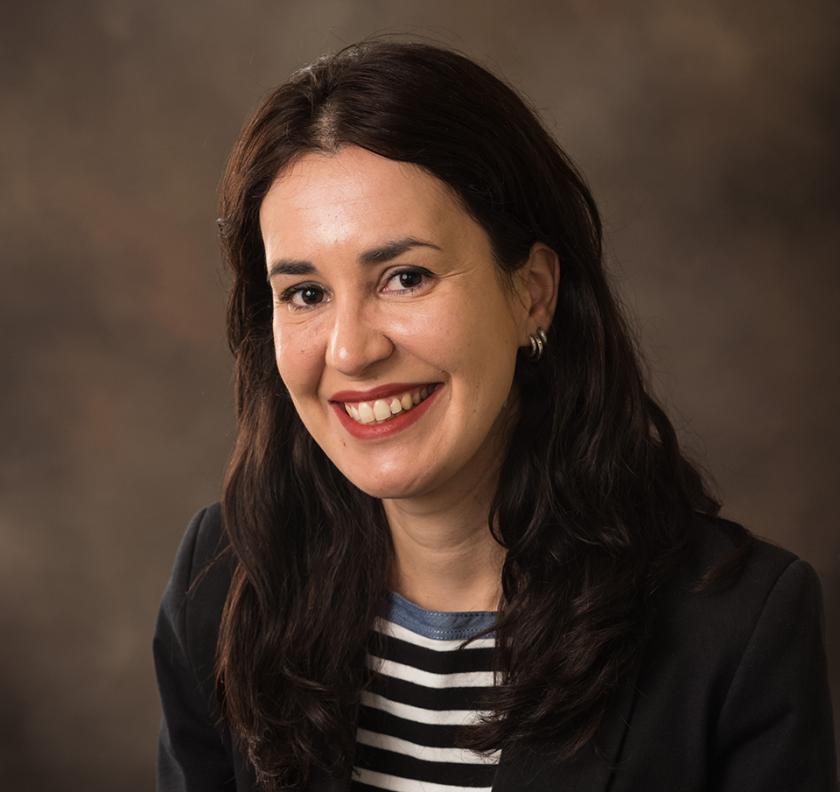
Janaynne Carvalho do Amaral, Teaching Assistant Professor
Carvalho do Amaral joins the full-time faculty after serving as a postdoctoral research associate at the iSchool since 2022, where she received a Facilitating Learning Excellence Award in Fall 2025. With a background as an art director and social anthropologist as well as a proofreader and copy editor for scientific publications, she has explored diverse types of publications, ranging from scholarly journals to books and alternative and creative formats of culture and science publications. Her teaching and research include scholarly communication and peer review; science communication, public engagement, and outreach; librarianship; and international education. She facilitates the partnership between the iSchool and the Illinois International Global Education and Training to develop data science and peer review training initiatives for international students and scholars.
Carvalho do Amaral holds a bachelor's degree in directing and theater production and a master’s degree in anthropology from the Universidade Federal de Goiás, and a PhD in information science from the Federal University of Rio de Janeiro/Brazilian Institute of Information in Science and Technology, both in Brazil.
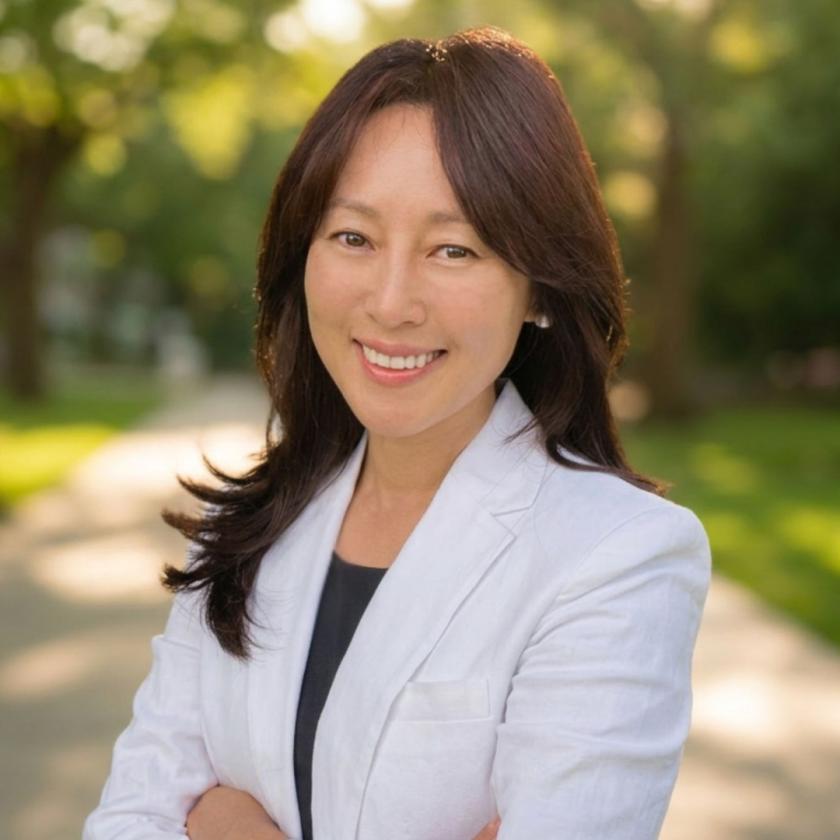
Jungmin Lee, Teaching Assistant Professor
A literacy educator whose professional journey spans South Korean and US educational contexts, Lee has taught children and young adults in elementary and secondary schools, a public library book club, and community learning spaces. For more than a decade, she has worked as a teacher educator in the United States, preparing pre-service and practicing teachers in literacy education. Together, these experiences have shaped her understanding that literacies are enacted in and across schools, libraries, homes, and communities, and that reading should be joyful, relational, and meaningful from the very beginning.
She is particularly interested in how informal learning spaces, including libraries, can create space for children's languages, stories, and literacy practices to be recognized, valued, and extended through relationships with families and communities. Her current work includes a study of translingual participation in school library storytime and the Family Learning Observation and Analysis (FLOA) project, a community-based partnership centered on multilingual families' language and literacy practices.
Both her master's and PhD in teaching and learning are from The Ohio State University.
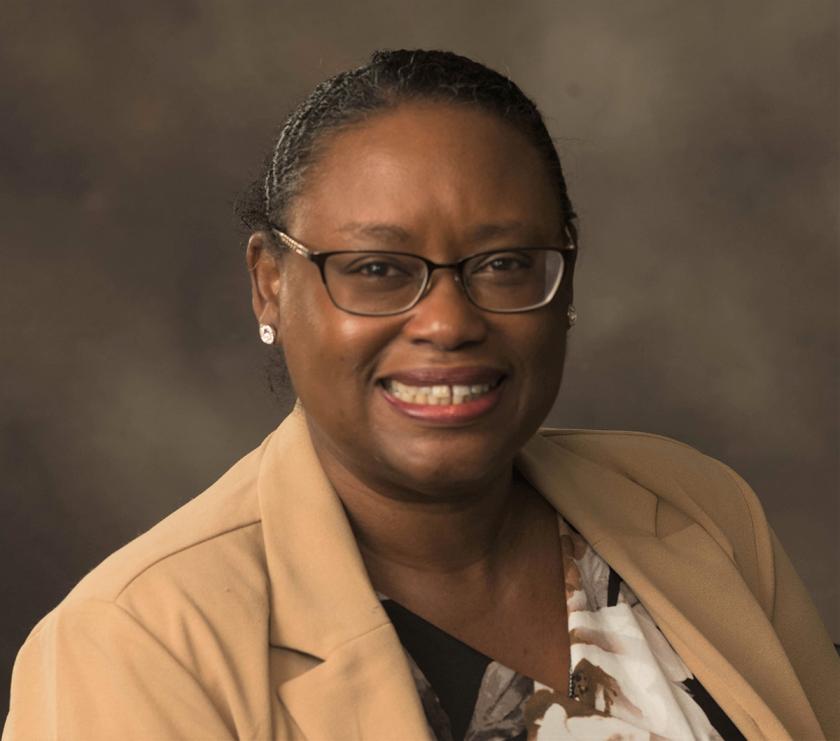
Katryna Starks, Teaching Assistant Professor
After serving as a specialized faculty member in Informatics since March of 2025, Starks has joined the permanent faculty at the iSchool. She specializes in game studies, interactive narrative, and the psychology of serious games. With a doctorate in psychology from the University of the Sunshine Coast in Queensland, Australia, she focuses her research on how video games can be leveraged to foster health-promoting behaviors, influence player identity—particularly among youth and female players—and enhance learning through prosocial impact.
She is notably recognized for developing the "Cognitive Behavioral Game Design" (CBGD) framework, a model designed to integrate psychological principles into game mechanics for therapeutic and educational purposes. In addition to her research, she has played a pivotal role in academic curriculum design, including the co-development of a Bachelor of Serious Games and the creation of an interactive narrative minor. During her studies in Australia, The Guardian included her in a roundup of "people pushing Australian gaming forward."
In addition to her doctorate, Starks holds a BS in communications from Pepperdine University and an MS in psychology from Walden University.

Emilie Butt, Lecturer
Butt is a makerspace and game design educator with specialties in escape room design, board games, game literacies, art, and community engagement with a focus on youth and teen services. She currently has eight years' experience developing and teaching courses around makerspaces/makerspace librarianship, board games, escape rooms, and introductory game design; prior to teaching at the university level, she worked in teen services librarianship and makerspace programming for teens.
Her current interests center around course design for experiential and project-based learning that support the growth of key design and learning skills in students, particularly those around collaboration, communication, critical thinking and handling ambiguity. She is also interested in how these experiences affect students' self-concept, identity, and evaluation of their own capacities.
She holds a BA in political science, gender & women's studies, and economics and an MSLIS from the University of Illinois.
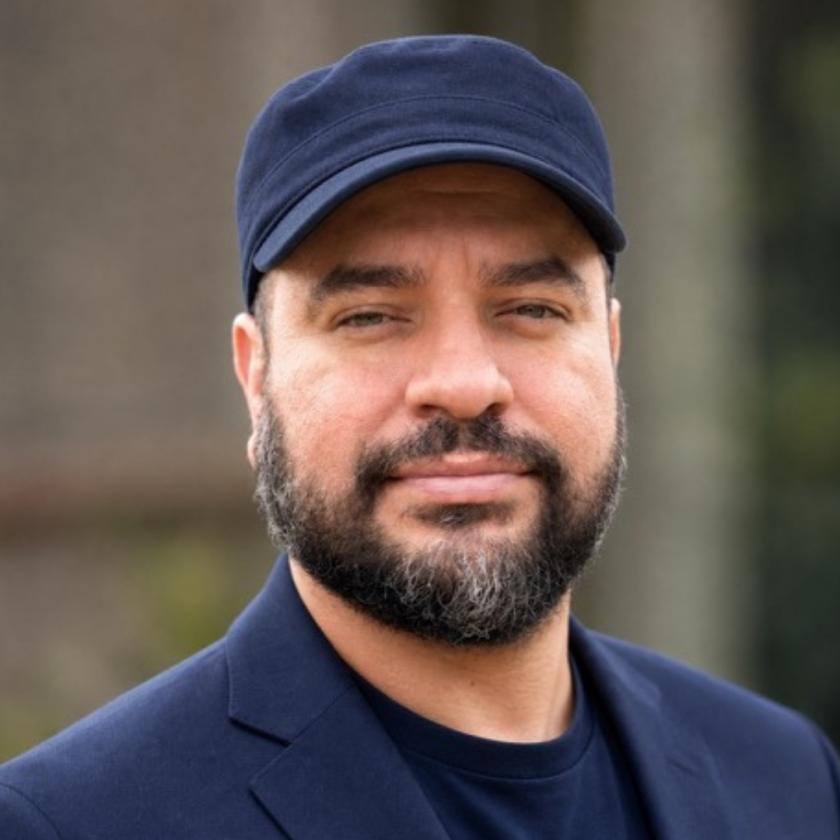
Jiovanie Velazquez, Instructor
Velazquez's work sits at the intersection of 3D art, technical art, game development, creative production workflows, and applied technology. Previously a specialized faculty member in Informatics, he brings more than 25 years of professional experience across AAA and independent games, simulation, VR, film/VFX, digital production, and tool development.
His current applied scholarship and creative practice focus on AI-assisted workflows, constrained-platform development, and the use of technical artifacts as teaching and research material.
Across his career, Velazquez has contributed to shipped games and production projects across PC, mobile, Xbox, PlayStation, and Nintendo platforms, with work spanning art direction, technical art, character and vehicle art, rigging, animation, tools, pipelines, simulation media, and creative leadership. He holds an associate's degree from the Art Institute of Pittsburgh.