What exactly does it mean to work at a museum? Museum work takes many forms, both in the galleries and behind the scenes. It can include caring for collections, welcoming visitors, teaching, developing exhibits with communities, maintaining records, and even cleaning glass displays on an exhibit after an elementary school visit to the museum.
Behind these tasks are relationships with people whose lives and histories are connected to museum collections, sometimes through circumstances they did not choose.
Caring for an object, then, includes attending to those histories and the responsibilities they carry.
Sometimes, that means helping cultural materials at the museum return home.
A carved Alutiiq halibut hook recently made its journey home from Urbana back to Kodiak, Alaska, with a helping hand from the Spurlock Museum of World Cultures. Urbana resident Richard Mohr approached Spurlock about donating the hook while downsizing and preparing to move to ClarkLindsey.
As part of its changing acquisition practices, Spurlock seeks to consult descendant communities, when possible, about whether accepting a donation would be ethically appropriate.
Spurlock consulted the Alutiiq Museum, which cares for Alutiiq cultural materials, and they expressed eagerness to welcome the hook home if Mohr was willing. He agreed to donate it to the Alutiiq Museum, with Spurlock facilitating the return.
The hook is now cared for by a museum devoted to the Alutiiq culture and heritage that shaped its creation.
This fall, Spurlock and the University of Illinois Urbana-Champaign's Humanities Research Institute are bringing graduate students, faculty and staff together through Ethos of Care.
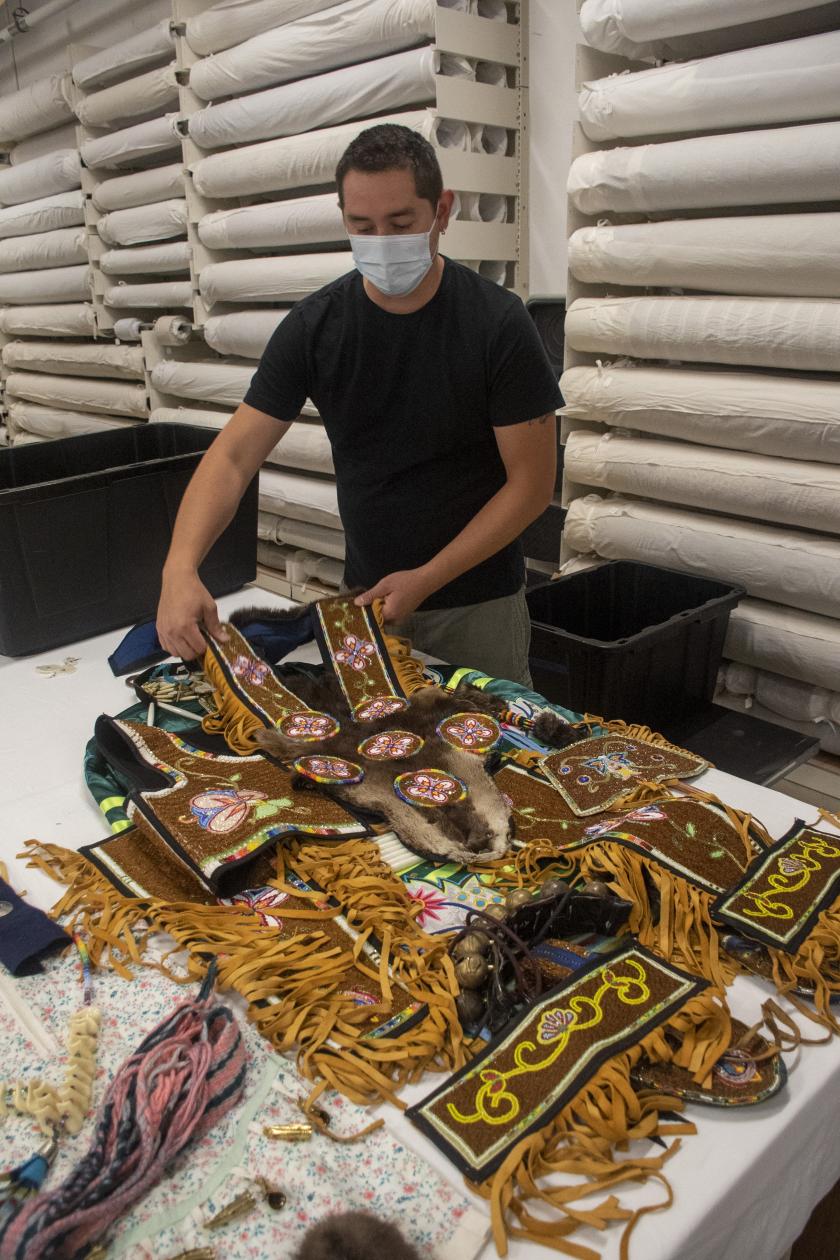
The program explores responsibilities in research, archiving, and cultural heritage care, in hope to create opportunities to learn from one another about working respectfully with communities within academia.
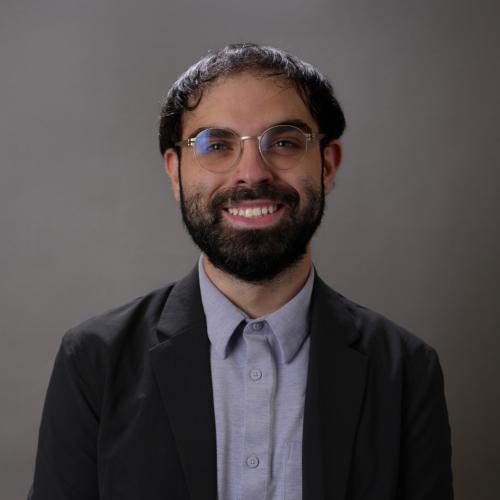
As a Ph.D. student, Spurlock employee, and Ethos of Care steering committee member, I take pride in work that helps us become more thoughtful learners, more approachable leaders, and more responsive community members.
My interests center on making visible the overlooked and underappreciated work of academia, museums, libraries, and cultural centers, including the judgment and work of sustaining relationships that guide everyday decisions in these spaces.
Across six workshops during the 2026-27 academic year, participants in Ethos of Care explore ethical questions within and across their fields, like: What does collaboration require of researchers trained to see people as subjects of study? How can research benefit the communities whose knowledge makes it possible?
Questions like these build on work already underway at Spurlock. Workers at the museum have been extensively examining how objects entered our collections and consulting with communities about their care. Along with supporting voluntary returns, we have developed agreements to care for collections with communities of origin. These partnerships require attention to harms caused by collecting and research practices, and a willingness to let community guidance shape present decisions.
The Alutiiq halibut hook's return shows how care can guide acquisition decisions through consultation and a donor's willingness to act.
Ethos of Care at Spurlock gives us time to learn and ideate on how to make decisions with communities, remain responsive as their priorities change and bring these responsibilities into everyday museum and academic work.
David Eby is a Spurlock Museum Norm Whitten Fellow and Information Sciences PhD student at the University of Illinois.